 RoadTick guide
UK Road Signs Explained: Shapes, Colours and the Signs Learners Get Wrong
By Muhammad Shahid Khan · · 5 min read
Quick answer
UK road signs follow a simple system: circles give orders, triangles warn and rectangles inform. Red circles tell you what you must not do, blue circles tell you what you must do. Direction signs are blue on motorways, green on primary routes and white on other roads. Learn the system first and most individual signs explain themselves.
RoadTickHazard Perception & Mock Tests · Free on the App StoreDownload free →| Circle | Orders (red ring = must not, blue = must) |
|---|---|
| Triangle | Warning |
| Rectangle | Information and directions |
| Exceptions | STOP (octagon) and GIVE WAY (inverted triangle) |
| National speed limit (cars) | 60 mph single carriageway, 70 mph dual carriageway and motorway |
Road signs appear throughout the theory test, not just in a single topic. The good news is that the UK system is logical. Once you know what the shapes and colours mean, you can work out most signs even if you have never seen them before.
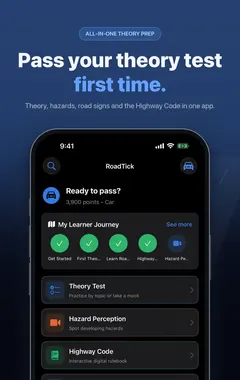
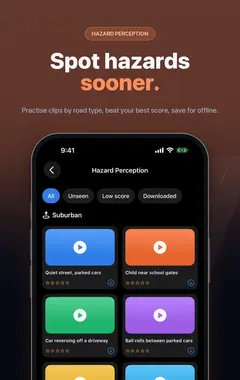
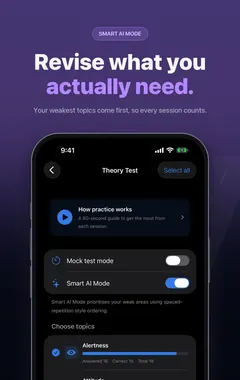
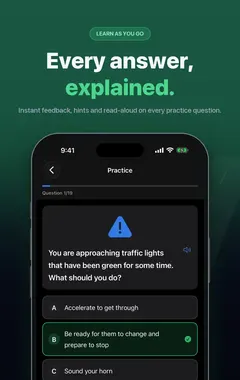
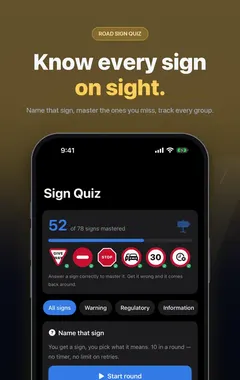
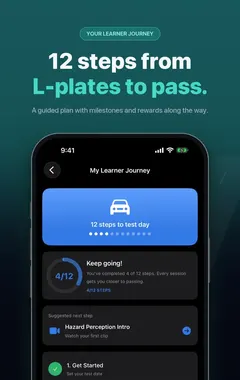
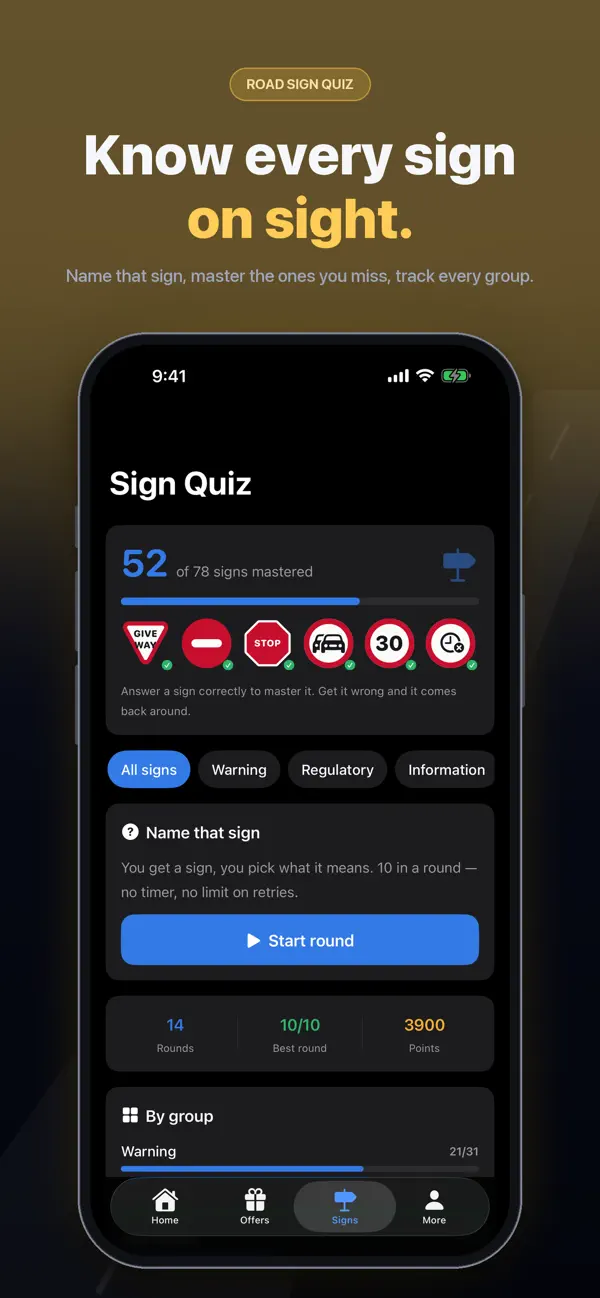
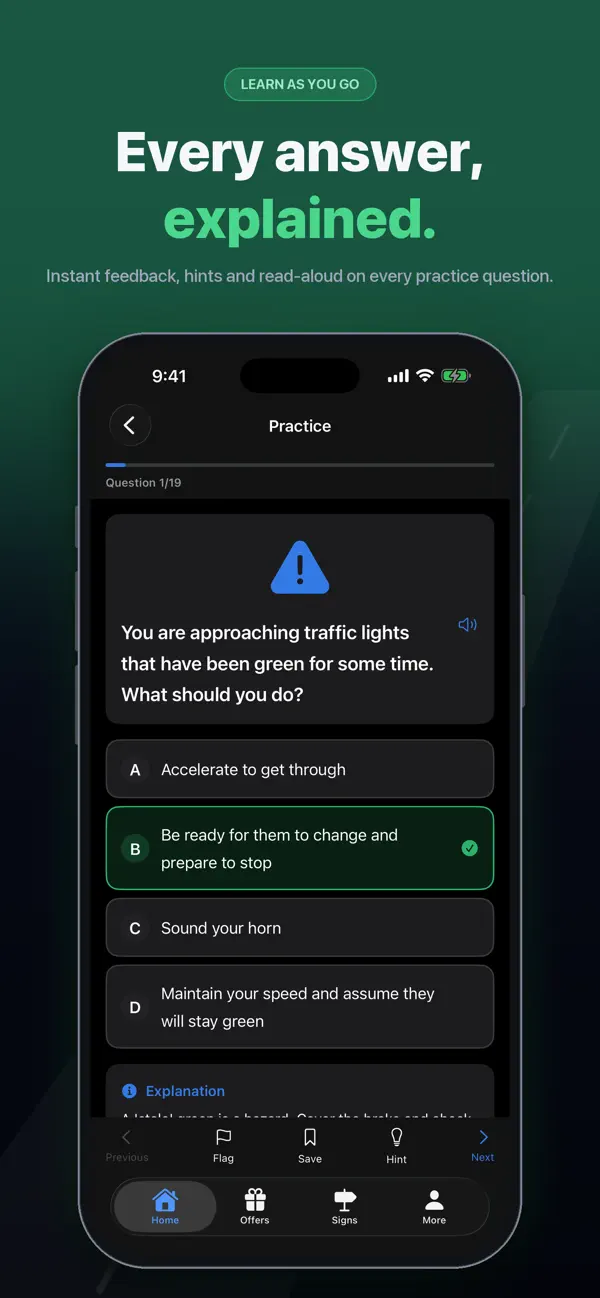
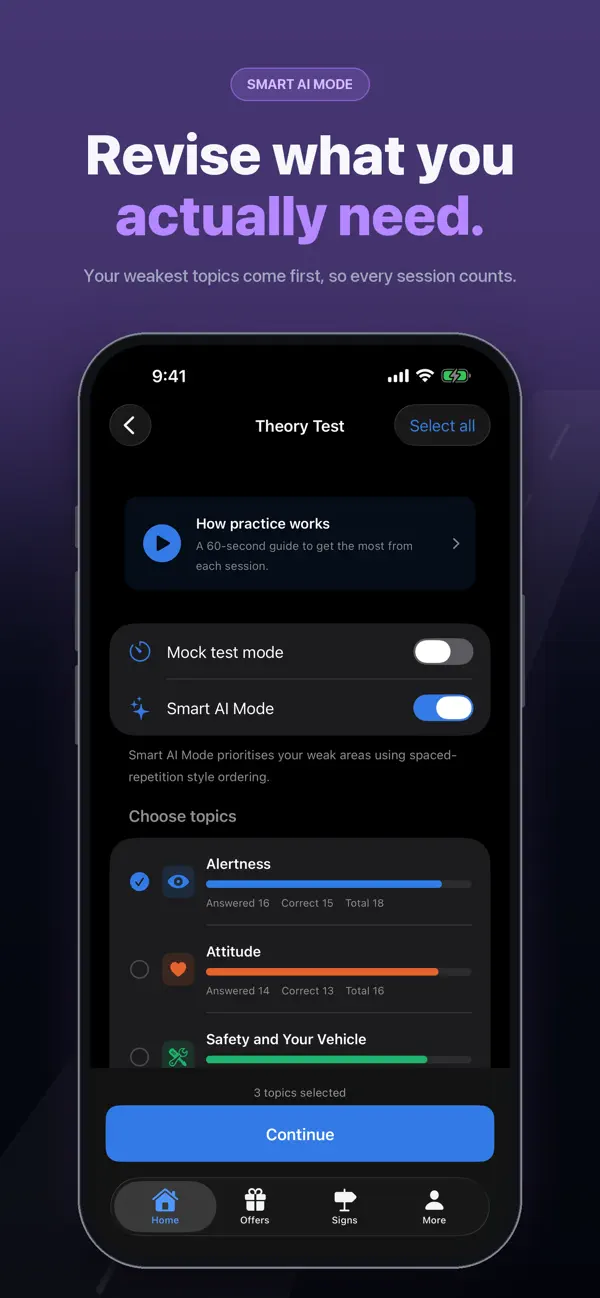
I build RoadTick: Driving Theory Test, a free UK theory test app for iPhone and iPad, and the screenshots in this guide come from it. If you want to practise as you read, get RoadTick on the App Store.
What do the shapes of UK road signs mean?
| Shape | Meaning | Example |
|---|---|---|
| Circle | An order you must follow | Speed limit, no entry, turn left |
| Triangle | A warning | Bend ahead, children crossing, roundabout |
| Rectangle | Information | Direction signs, parking information |
There are two deliberate exceptions, shaped differently so they can be recognised even when covered in snow or seen from behind:
- STOP is an octagon. You must stop at the line, even if the road is clear.
- GIVE WAY is an upside-down triangle. You must give way to traffic on the major road.
What do the colours mean?
Circular signs
- Red ring or red circle: a prohibition. It tells you what you must not do (for example, no right turn).
- Blue circle: a positive instruction. It tells you what you must do (for example, turn left, or a minimum speed).
Direction signs
- Blue: motorways.
- Green: primary routes, the main A roads.
- White: non-primary and local routes.
- Brown: tourist attractions.
Temporary signs, for example for roadworks or diversions, are usually yellow with black lettering.
Which road signs do learners get wrong most?
The national speed limit sign
A white circle with a black diagonal stripe. It does not mean "no speed limit". It means the national speed limit applies for the type of road and vehicle. For cars and motorcycles that is:
- 60 mph on single carriageway roads.
- 70 mph on dual carriageways and motorways.
In built-up areas with street lights, the default limit is usually 30 mph in England and Scotland. In Wales, the default on most of these roads changed to 20 mph in 2023.
No entry versus no vehicles
- No entry: a red circle with a white horizontal bar.
- No vehicles: a plain white circle with a red ring. No vehicles except bicycles being pushed.
Blue round signs versus blue rectangles
A blue circle gives an order, for example "mini-roundabout" or "turn left ahead". A blue rectangle gives information, for example a one-way street or a motorway direction. Same colour, different shape, very different meaning.
Warning triangles that look alike
"Road narrows on both sides", "road narrows on right" and "dual carriageway ends" are easy to confuse. Look carefully at which lines move, and imagine yourself in the left-hand lane.
What about road markings?
- Double white lines with a solid line on your side: do not cross or straddle it, except in specific situations described in the Highway Code.
- Double yellow lines: no waiting at any time, unless signs show seasonal restrictions.
- Zigzag lines at a crossing: no stopping or parking, and no overtaking the leading vehicle.
- A yellow box junction: do not enter unless your exit is clear (you may wait in it to turn right if blocked only by oncoming traffic).
How do I learn road signs quickly?
- Learn the shape and colour system first. That gives you the meaning of most signs straight away.
- Then learn signs in groups: warning, order and information.
- Focus on pairs that look similar and learn the difference.
- Test yourself with practice questions that show the sign and ask for the meaning.
- Spot signs when you are a passenger. Real-world recall makes them stick.
The road signs are part of the official Highway Code and the government publication Know Your Traffic Signs. For a faster way to revise the Highway Code itself, see how to revise the Highway Code.
More guides you may find useful:
- UK Road Markings Explained: White Lines, Yellow Lines, Zigzags and Cat’s Eyes
- UK Motorway Rules and Signs: Lanes, Smart Motorways, Red X and Breakdowns
- UK Roundabout Rules: Lanes, Signals and Mini-Roundabouts Explained
How RoadTick helps
- Practice questions for every theory topic, each with a plain-English explanation.
- Timed mock tests in the real format: 50 questions in 57 minutes, scored against the pass mark of 43.
- Hazard perception practice to build the timing the second part tests.
- The Highway Code broken into short sections that are easy to revise.
- UK road signs and markings with clear images and meanings.
- Progress tracking that shows which topics still need work before you book.
Download RoadTick free on the App Store and turn spare minutes into theory test practice. RoadTick is an independent app and is not affiliated with the DVSA.
Frequently asked questions
What do circular road signs mean?
Circles give orders. A red ring or circle tells you what you must not do, and a blue circle tells you what you must do.
What do triangular road signs mean?
Triangles are warnings, such as a bend, a junction or children crossing ahead.
What do rectangular road signs mean?
Rectangles give information, such as directions, parking details or lane information.
What does the national speed limit sign mean?
It means the national limit applies for the road and vehicle: for cars, 60 mph on single carriageways and 70 mph on dual carriageways and motorways. It does not mean there is no limit.
Why is the stop sign an octagon?
So it can be recognised from its shape alone, even when the face is covered by snow or dirt or seen from behind.
What colour are motorway signs?
Blue. Primary route signs are green, other route signs are white, and tourist signs are brown.
What is the difference between no entry and no vehicles?
No entry is a red circle with a white horizontal bar. No vehicles is a white circle with a red ring.
What is the speed limit in a built-up area?
Usually 30 mph in England and Scotland where there are street lights, unless signs show otherwise. In Wales most of these roads became 20 mph in 2023.
What do blue circular signs mean?
They are mandatory instructions, such as turn left, keep left or a mini-roundabout.
Can I enter a yellow box junction?
Only if your exit road or lane is clear. You may enter and wait when turning right if you are only stopped by oncoming traffic or other vehicles turning right.
Are road signs in the theory test?
Yes. Road signs and markings appear across many theory test topics and in the official Highway Code.
Does RoadTick include UK road signs?
Yes. RoadTick has a road signs section with clear images and plain-English explanations.
RoadTickDownload free