 UK Test Prep guide
UK Courts, the Law and Your Responsibilities: Life in the UK Test Guide
By Muhammad Shahid Khan · · 5 min read
Quick answer
In England, Wales and Northern Ireland, minor criminal cases go to a Magistrates’ Court (a Justice of the Peace Court in Scotland) and serious cases to a Crown Court with a jury (a Sheriff Court or High Court in Scotland). Young people aged 10 to 17 go to a youth court. Civil disputes go to County Courts, often using the small claims procedure. The Supreme Court is the final court of appeal.
UK Test PrepCitizenship, ILR & Visa Prep · Free on the App StoreDownload free →| Minor crimes | Magistrates’ Court (Justice of the Peace Court in Scotland) |
|---|---|
| Serious crimes | Crown Court with a jury (Sheriff or High Court in Scotland) |
| Young people | Youth court, ages 10 to 17 |
| Civil disputes | County Courts; small claims procedure |
| Highest court | The Supreme Court |
| Values | Democracy, rule of law, individual liberty, tolerance, participation |
The law section of the handbook is short, but its questions are precise: which court hears which case, how many people sit on a jury, what magistrates are. It also connects to the opening chapter on British values and responsibilities. Here is all of it in one place.
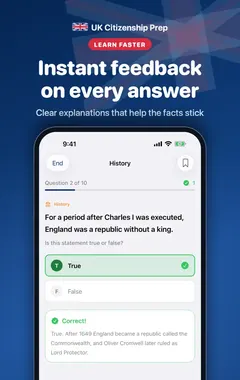
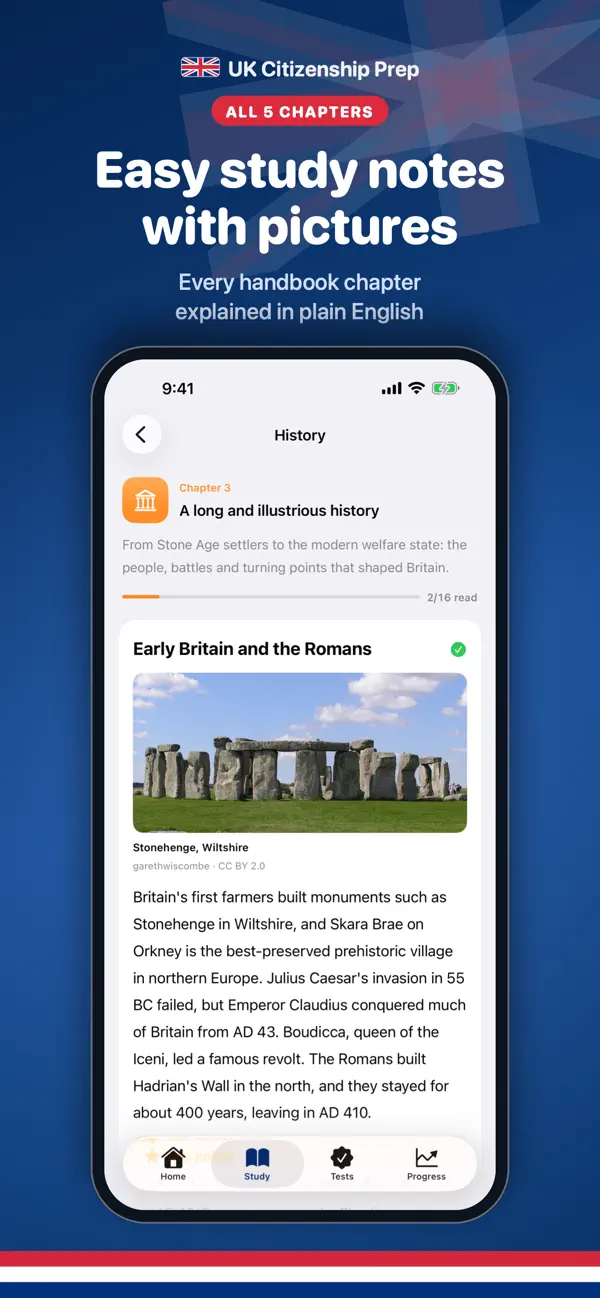
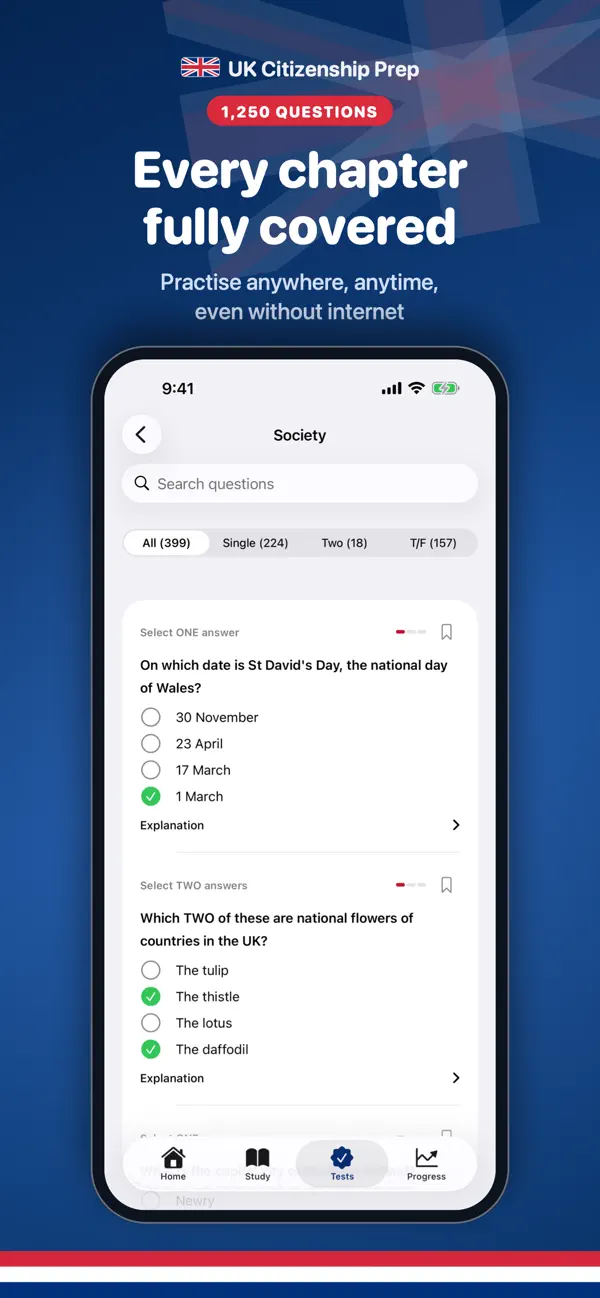
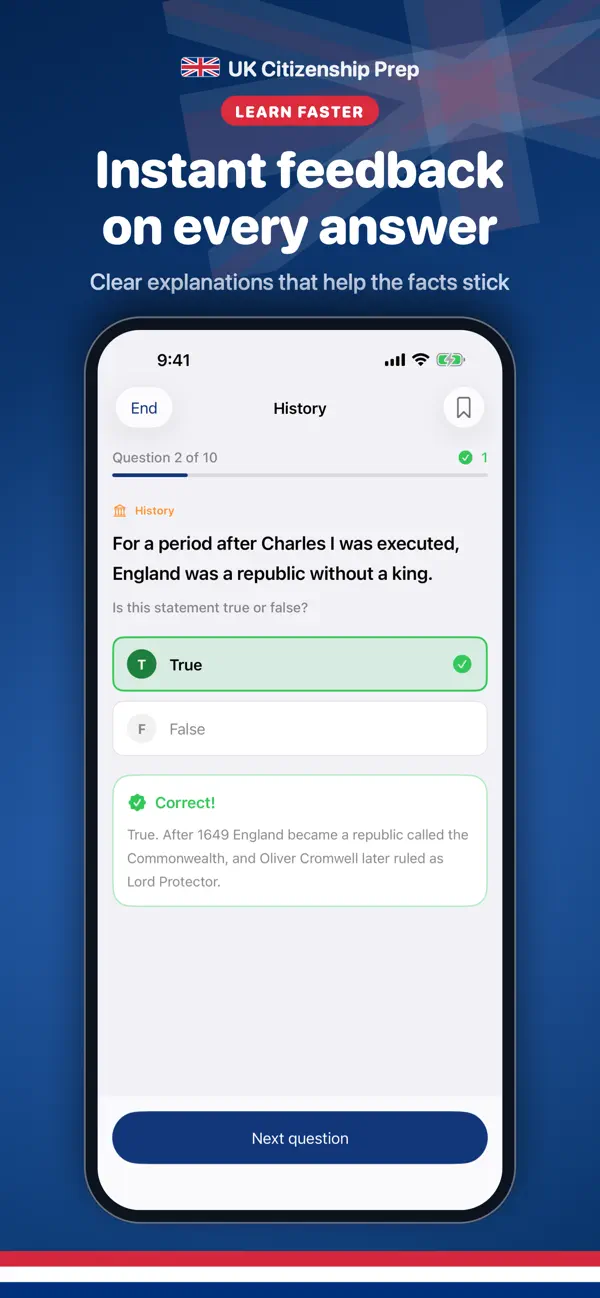
I build UK Test Prep, a free iPhone and iPad app for the Life in the UK test, and the screenshots in this guide come from it. If you want to test yourself as you read, get UK Test Prep on the App Store.
What are the fundamental values of British life?
The handbook lists them as:
- Democracy
- The rule of law
- Individual liberty
- Tolerance of those with different faiths and beliefs
- Participation in community life
People living in the UK are expected to respect and obey the law, respect the rights of others, treat others fairly, look after themselves and their families, and look after the area they live in and the environment.
Which court hears which case?
| Court | Cases | Who decides |
|---|---|---|
| Magistrates’ Court (England, Wales, Northern Ireland) | Most minor criminal cases | Magistrates, usually unpaid and without legal qualifications, or a district judge |
| Justice of the Peace Court (Scotland) | Minor criminal cases | A Justice of the Peace |
| Crown Court (England, Wales, Northern Ireland) | Serious crimes such as murder, rape and robbery | A judge and a jury of 12 |
| Sheriff Court or High Court (Scotland) | Serious crimes | A judge and, in serious cases, a jury of 15 |
| Youth court (England, Wales, Northern Ireland) | Accused people aged 10 to 17 (Scotland uses the Children’s Hearings System) | Magistrates or a district judge; the public is not allowed in, and the young person’s name is not published |
| County Courts | Civil disputes, such as debts and broken contracts | A judge |
The small claims procedure is an informal way to settle disputes about smaller amounts of money without a lawyer. The Supreme Court is the highest court and hears appeals.
What does a jury do?
A jury is made up of members of the public chosen at random from the electoral register. The jury listens to the evidence and decides whether the defendant is guilty or not guilty. The handbook says that in Scotland a jury can also give a verdict of "not proven". Scotland has since passed a law to abolish it, but the test follows the handbook. If you are called for jury service, you must do it unless you have a good reason.
What does the test ask about the police?
- The police protect life and property, prevent disturbances, and prevent and detect crime.
- Police community support officers (PCSOs) support the police, patrol the streets and help at major events.
- Police forces are led by a chief constable. In England and Wales, people elect Police and Crime Commissioners.
- If the police behave badly, you can make a complaint, including to an independent body.
Which other laws are commonly tested?
- Equal rights: it is against the law to discriminate because of sex, race, religion, disability, sexual orientation and other protected characteristics.
- Domestic violence, forced marriage and female genital mutilation are crimes.
- Carrying a weapon, selling tobacco or alcohol to anyone under 18, and buying alcohol for under-18s are offences.
- The UK signed the European Convention on Human Rights, and the Human Rights Act 1998 brought it into UK law.
How can I take part in my community?
The handbook encourages participation: voting, volunteering, serving as a school governor, a magistrate or a special constable, joining a political party, giving blood and joining the organ donor register, and looking after the environment by recycling and not dropping litter.
For how laws are made and elections work, see how the UK is governed, and for when you need the test, see Life in the UK test for ILR and citizenship.
How UK Test Prep helps
- 1,250 original practice questions across all five handbook chapters, each with an explanation.
- 46 study note sections written from the official handbook.
- 307 flashcards for the dates, people and facts that need memorising.
- A realistic mock exam: 24 questions, a 45-minute timer and the 18-mark pass line.
- A weak-areas list, readiness score, streaks and progress by chapter.
- Works fully offline, with no account. Every feature is free; an optional purchase removes ads.
Download UK Test Prep free on the App Store and pass the Life in the UK test first time. UK Test Prep is independent and not affiliated with the UK Government or the Home Office.
Frequently asked questions
What are the fundamental values of British life?
Democracy, the rule of law, individual liberty, tolerance of those with different faiths and beliefs, and participation in community life.
Which court deals with minor crimes?
A Magistrates’ Court in England, Wales and Northern Ireland, and a Justice of the Peace Court in Scotland.
Which court deals with serious crimes?
A Crown Court in England, Wales and Northern Ireland, and a Sheriff Court or High Court in Scotland.
How many people are on a jury?
12 in England, Wales and Northern Ireland, and 15 in Scotland.
Are magistrates paid?
Usually not. Magistrates are usually unpaid volunteers without legal qualifications.
What is a youth court?
In England, Wales and Northern Ireland, a court for accused people aged 10 to 17. The public is not allowed in and the young person’s name is not published. Scotland uses the Children’s Hearings System.
What verdicts can a jury give in Scotland?
The handbook lists guilty, not guilty and not proven. Scotland has since legislated to abolish not proven, but answer the test from the handbook.
Where are civil disputes heard?
In County Courts, often using the small claims procedure for smaller amounts.
What is the highest court in the UK?
The Supreme Court.
What do PCSOs do?
Police community support officers patrol the streets, work with the public and support the police.
What are the responsibilities of people living in the UK?
To respect and obey the law, respect others’ rights, treat others fairly, look after themselves and their families, and look after their area and the environment.
Does UK Test Prep cover the law and courts?
Yes. Study notes, practice questions and flashcards cover the law, courts and British values chapters.
UK Test PrepDownload free